Fire Damage Restoration in Newport News, VA
Fire damage restoration for a Newport News home covers more than the burned room. Smoke and soot travel through the whole house, the water used to put the fire out soaks what the flames never reached, and the smell stays in everything soft.
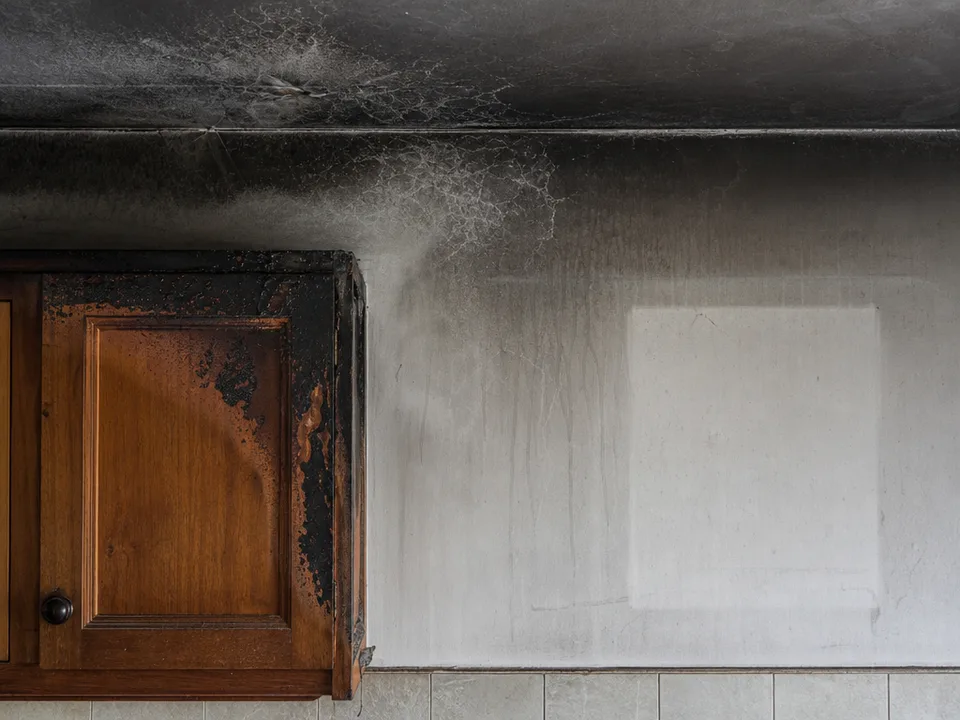
Fire damage restoration in Newport News: the order of work
A fire loss is several jobs stacked on top of each other, and they have to happen in the right order or later work gets undone.
- Broken windows and doors are boarded and a damaged roof is tarped, so rain and trespassers stay out.
- Firefighting leaves a lot of water behind. It is pumped out and the structure dried before soot cleaning, because soot smears on damp surfaces.
- Every surface the smoke reached is cleaned, including rooms well away from the fire.
- Smoke odor sits in porous materials and in the framing, and it is treated at the source rather than covered up.
- Belongings are sorted into what can be cleaned and what cannot, and the first group is cleaned or packed out.
- Burned framing, drywall, cabinets, flooring and paint are replaced once the house is clean and dry.
The restoration trade writes this down in the IICRC's S700 standard for fire and smoke damage, and a detailed estimate should follow the same stages.
Smoke damage restoration and soot removal
Smoke goes where air goes. It follows hallways, gets pulled into the return vents of the heating and cooling system, and settles on the coldest surfaces it meets, which is why exterior walls and closet interiors are often darker than the middle of a room. Soot from a fast, hot fire behaves differently from the greasy film a smoldering kitchen fire leaves, and the cleaning method has to match it. Scrubbing the wrong residue with water can drive it deeper into paint.
Soot and odor removal usually ends with sealing. Cleaned walls and ceilings that still hold odor get an odor-blocking primer before paint, and ductwork that carried smoke needs cleaning of its own.
Contents restoration
Furniture, clothing, electronics, documents and keepsakes are a large share of the loss. Ready.gov's advice is to make an inventory of damaged property before throwing anything away, and your insurer will want it. Items that can be saved are often packed out, cleaned off site and stored until the house is ready. Food, medicine and cosmetics that were exposed to heat or smoke are thrown out.
The water left behind after a fire
The water that put the fire out is often the larger part of the damage by square footage. It runs down through floors into rooms the fire never touched, soaks insulation and carpet pad, and sits in wall cavities. Left alone, it grows mold within days. That part of the job is ordinary water damage restoration in Newport News: extraction, structural drying and moisture readings, done before the rebuild. If drying runs late, the next job is mold remediation.
Before you go back into the house
- Wait until the fire department says the house is safe to enter.
- Do not reconnect gas, power or water yourself; Ready.gov says the fire department should make sure utilities are safe or disconnected.
- Photograph every room before anything is moved.
- The U.S. Fire Administration's booklet, After the Fire: Returning to Normal, covers the first day, insurance and salvage in more detail than this page.
Fire damage cleanup and your insurance
Your insurer will usually want to see the damage, the inventory and an itemized estimate before approving each stage of the work. Keep receipts for anything you pay for yourself, such as a hotel. The national claim average in the table below is only a sense of scale: it covers everything from a smoke-stained kitchen to a house that burned to the ground.
Fire recovery facts on this page, with their sources
The re-entry and inventory advice comes from federal preparedness pages. The claim figure is a national insurance average, not a Newport News price or a quote.
| What | Figure or rule | Source | Read |
|---|---|---|---|
| Before going back in | Check with the fire department that the residence is safe to enter, and do not reconnect utilities yourself | Ready.gov, Home Fires | |
| Before throwing anything out | Make an inventory of damaged property first; do not discard damaged goods until it is done | Ready.gov, Home Fires | |
| A recovery booklet | "After the Fire: Returning to Normal" covers the first 24 hours, insurance, valuing property and salvage | U.S. Fire Administration | |
| The trade's written standard | ANSI/IICRC S700, the Standard for Professional Fire and Smoke Damage Restoration | IICRC standards list | |
| National average fire claim | $88,170 average paid per fire and lightning claim, homeowners policies, 2019 to 2023 (national, all claim sizes) | Insurance Information Institute, citing ISO |
Fire and smoke damage questions
Can a house with fire damage be repaired?
Usually, yes. Most house fires damage part of a structure, and the rest is cleaning, deodorizing and replacing finishes. Whether burned framing can stay is a structural call made once the debris is out. Ready.gov's home fires page says to confirm with the fire department that the house is safe before anyone goes in.
How does smoke remediation work?
Soot is vacuumed and wiped off surfaces with the method its residue calls for, porous materials that hold smoke are removed, and the odor is treated in the air and in the framing. Walls that still smell after cleaning are sealed with an odor-blocking primer before they are painted. The trade's S700 standard sets out the order.
Is smoke damage fixable?
Most of it is. Hard surfaces clean up; clothing and upholstery often come back with specialist washing; carpet, insulation and some drywall usually do not. How long the smoke sat before cleaning makes a difference, because soot residue can stain and etch surfaces over time. Keep an inventory as you go, as Ready.gov advises.
How long does fire damage restoration take?
It runs in stages: securing the house, water removal and drying, cleaning, then rebuilding, and the last stage takes the longest. A small kitchen fire and a fire that reached the attic are months apart. Insurance approval of each stage often sets the pace. Our insurance page explains the paperwork side.
What do restoration companies do after a fire?
They secure the openings, remove the water from firefighting, clean soot and smoke from the structure and contents, remove what cannot be saved, deodorize, and then either rebuild or hand over to a builder. The water part is its own job, the same one covered by water damage restoration in Newport News.
How much does it cost to clean up after a fire?
We found no Newport News fire cleanup price we could stand behind. Nationally, the Insurance Information Institute reports homeowners insurers paid an average of $88,170 per fire and lightning claim from 2019 to 2023, which includes total losses and says little about a single scorched kitchen.
Tell us which rooms the fire and smoke reached
One short form, once the house is safe to walk through. There is no charge to send it.